BNP Paribas S.A. Niederlassung Deutschland / Consorsbank
Design system governance and evolution, process definition and optimization, accessibility-driven system design, cross-platform alignment, design–development collaboration
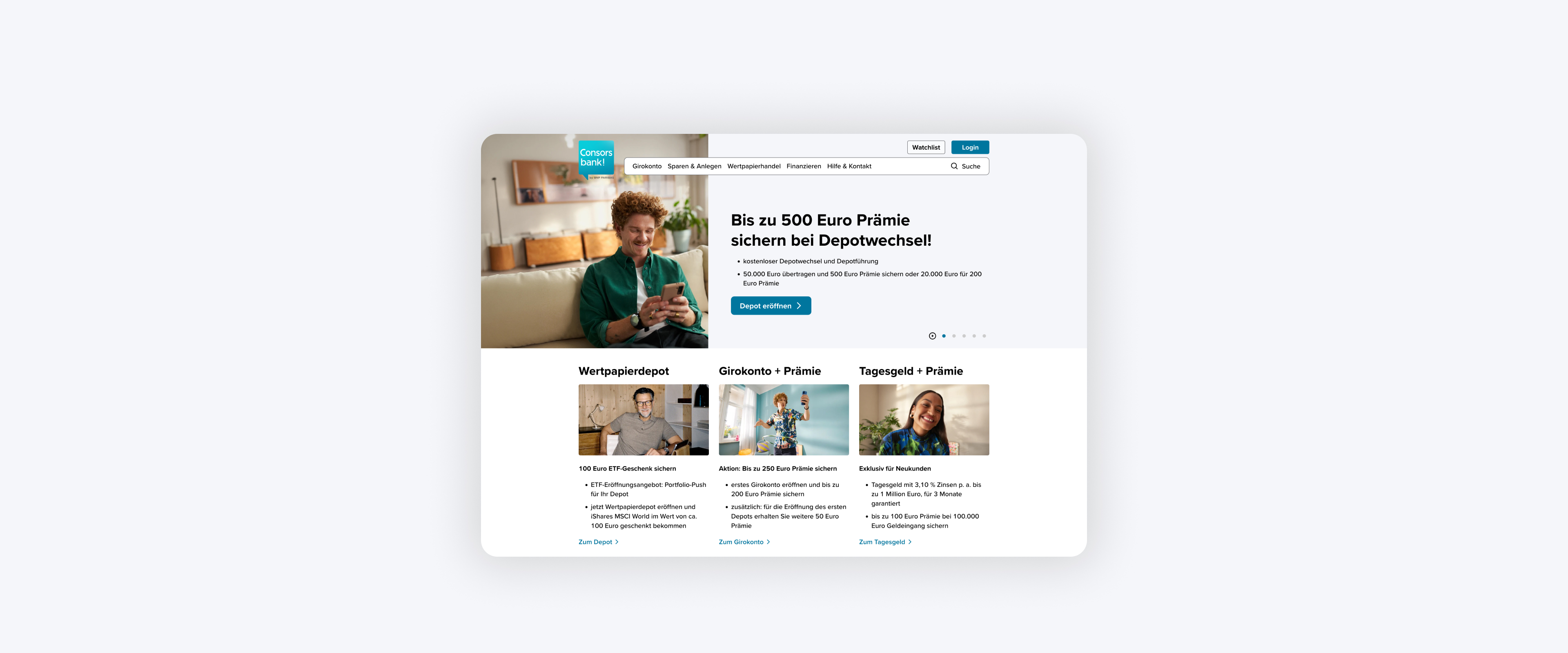
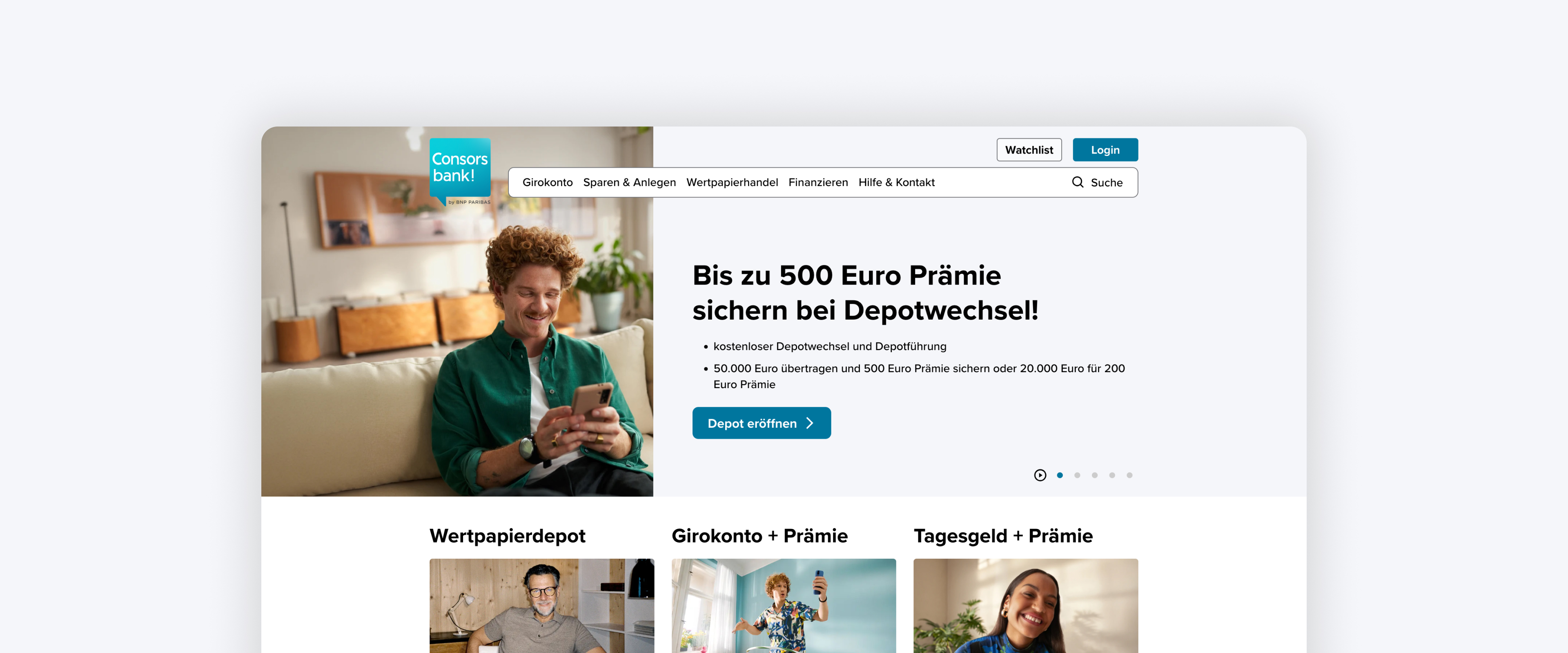
Consorsbank is one of Germany’s leading online banks and part of the BNP Paribas Group. The work took place within a large-scale, regulated financial environment spanning multiple digital products across web and mobile.
When I joined, the design system was already being actively developed by a motivated, cross-disciplinary team. Multiple internal and external contributors were involved, and a solid foundation was in place. At the same time, the system was entering a phase of consolidation: growing platform complexity, parallel initiatives across web and mobile, and increasing accessibility requirements created the need for clearer structures, shared processes, and long-term sustainability.
Over time, team compositions and available resources evolved, making it increasingly important to strengthen collaboration models and establish a setup that could be reliably maintained by smaller, long-term teams.

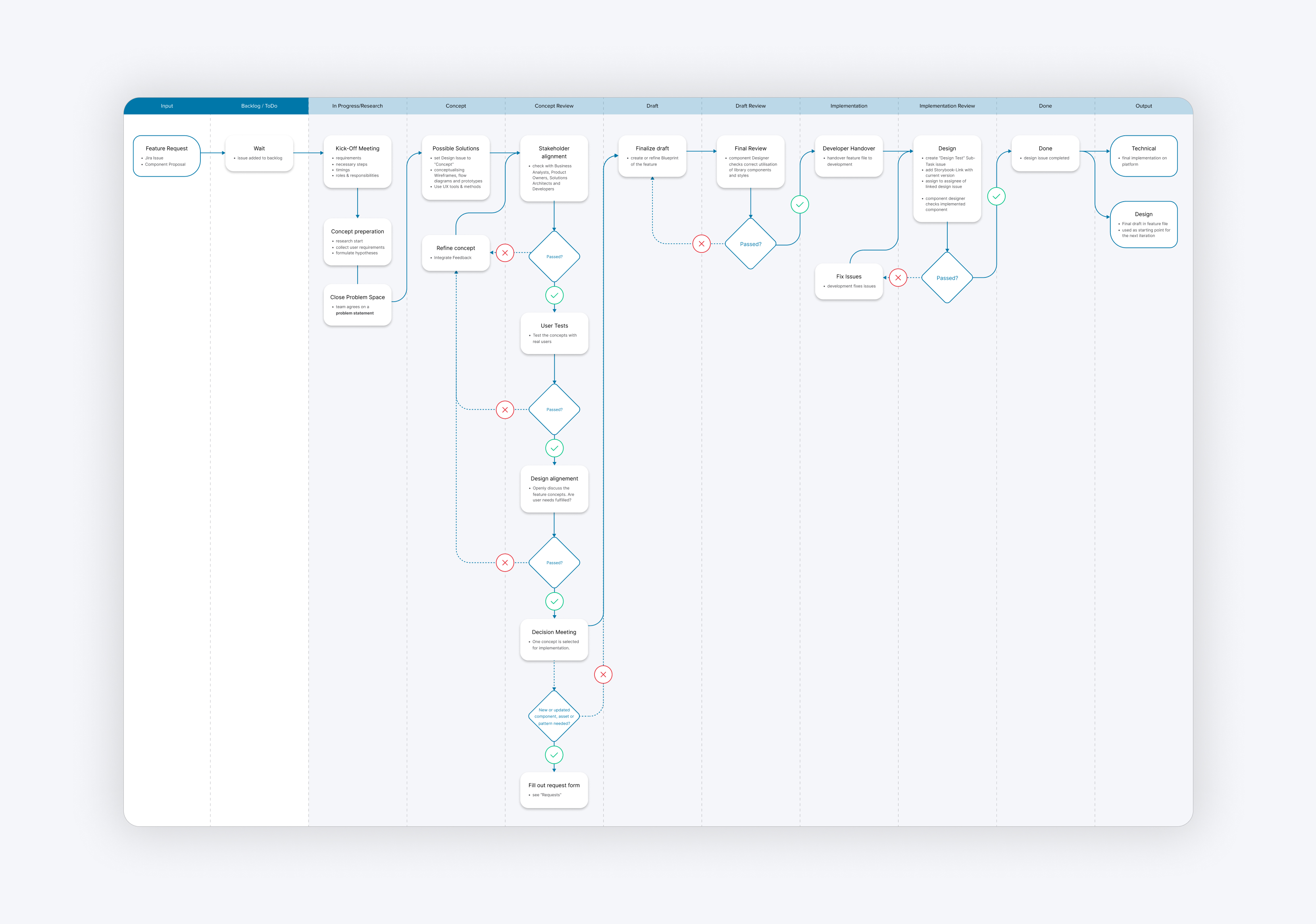
My role combined system-level responsibility with hands-on, operational work across the design system.
Together with internal counterparts, I worked on strengthening the design system foundation by refining documentation, clarifying ownership, and aligning on how system-level decisions are made. At the same time, I was directly involved in driving system work forward on a day-to-day basis: shaping priorities, structuring backlogs, and translating system needs into concrete, actionable work.
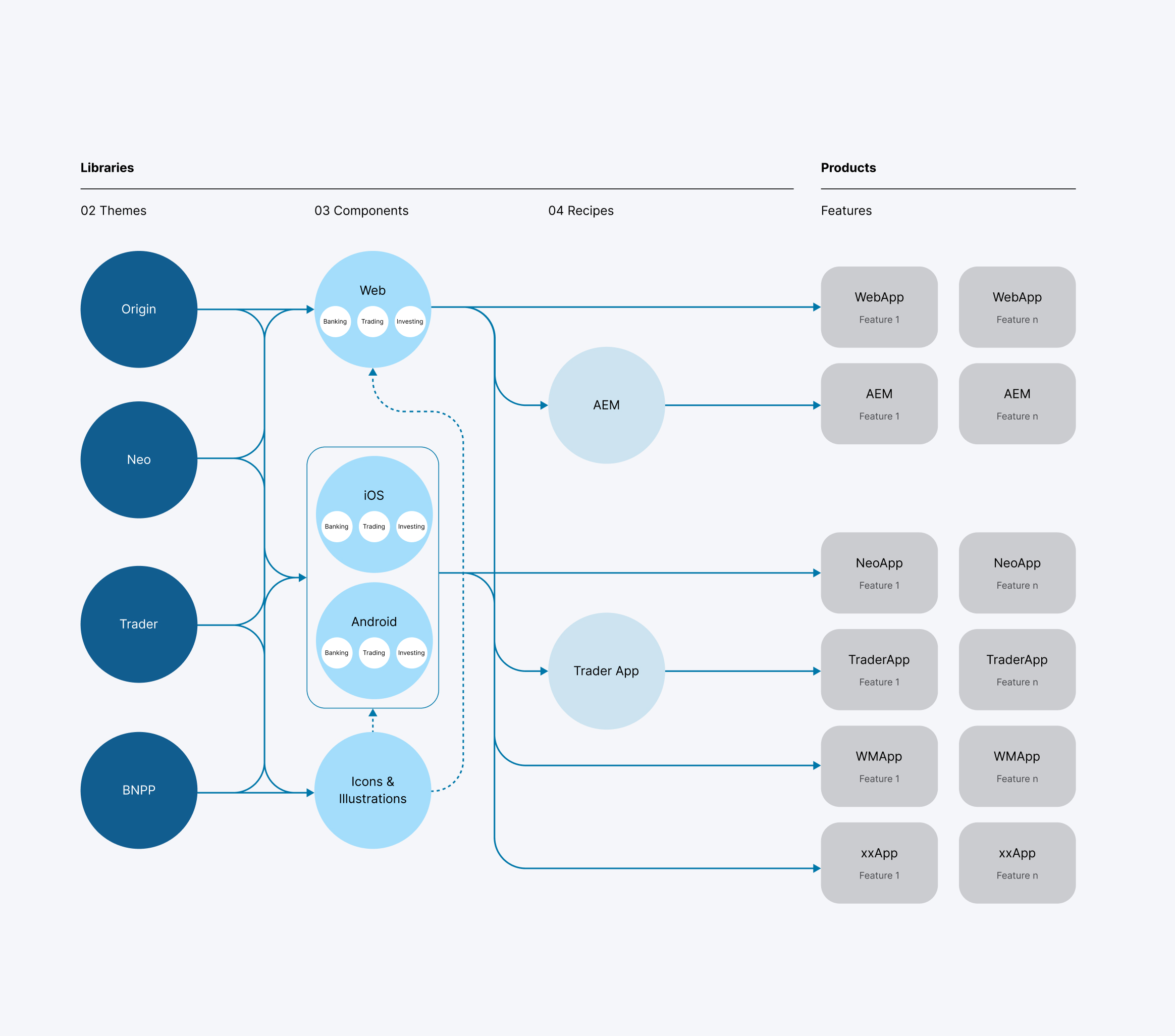
A key part of the engagement was cross-platform alignment. Web and mobile platforms followed different maturity levels, requiring close collaboration to align underlying system principles while respecting platform-specific needs. This included consolidating token and variable structures, simplifying system layers, and actively contributing to component-level decisions where necessary.
Accessibility played a central role throughout the engagement. Beyond defining system-level expectations, I worked hands-on to ensure accessibility requirements were reflected in component definitions, patterns, and acceptance criteria. Component reviews and approvals were part of my responsibility, ensuring consistency and quality across implementations.
Across all phases, I acted as a continuous interface between design and engineering while remaining operationally embedded. This included supporting agile planning, prioritization, and coordination, as well as adapting processes and documentation as team sizes, responsibilities, and constraints evolved.
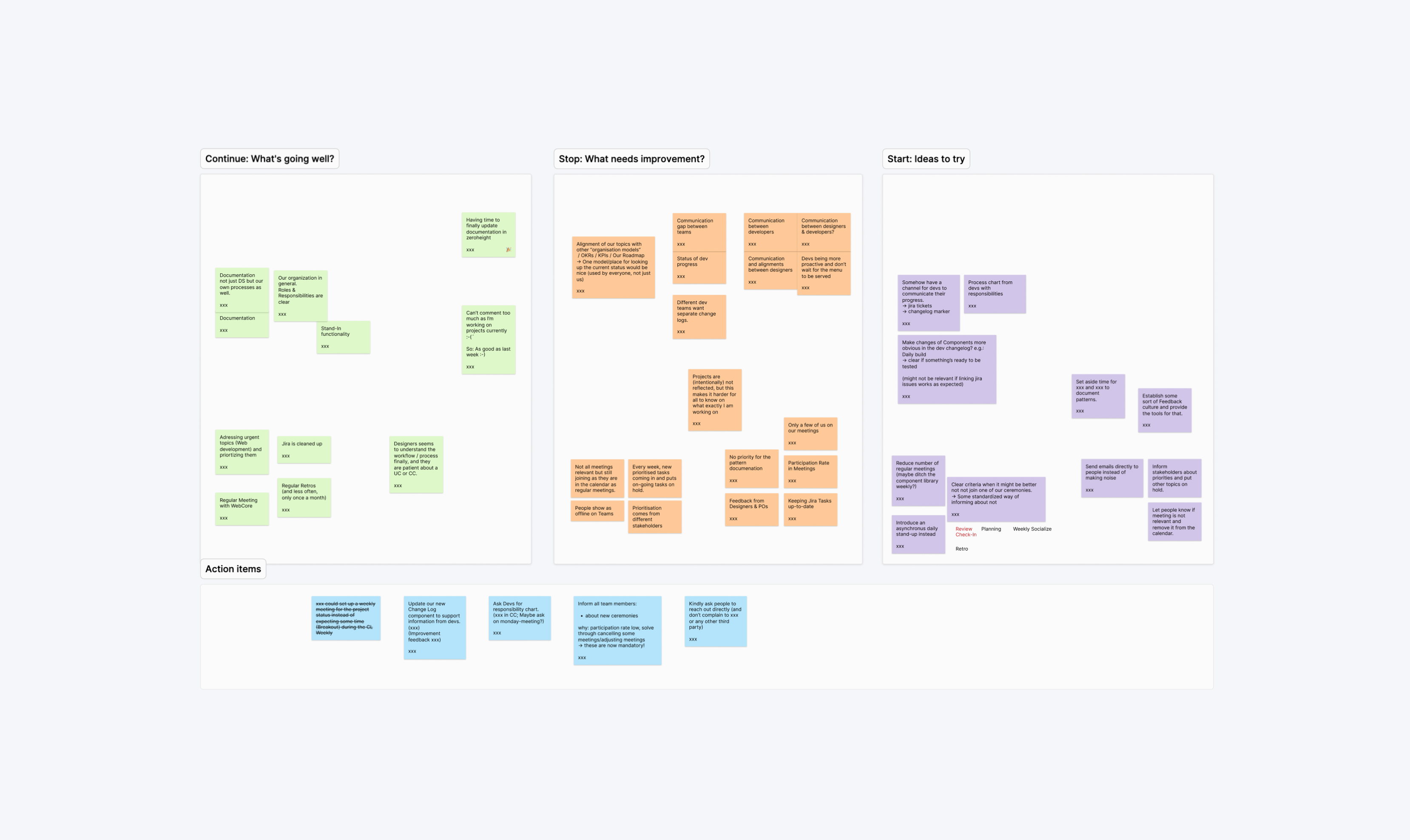
The engagement contributed to a more resilient and maintainable design system, particularly on the web platform. Clearer governance structures, simplified system logic, and embedded accessibility considerations supported the system’s continued evolution over time.
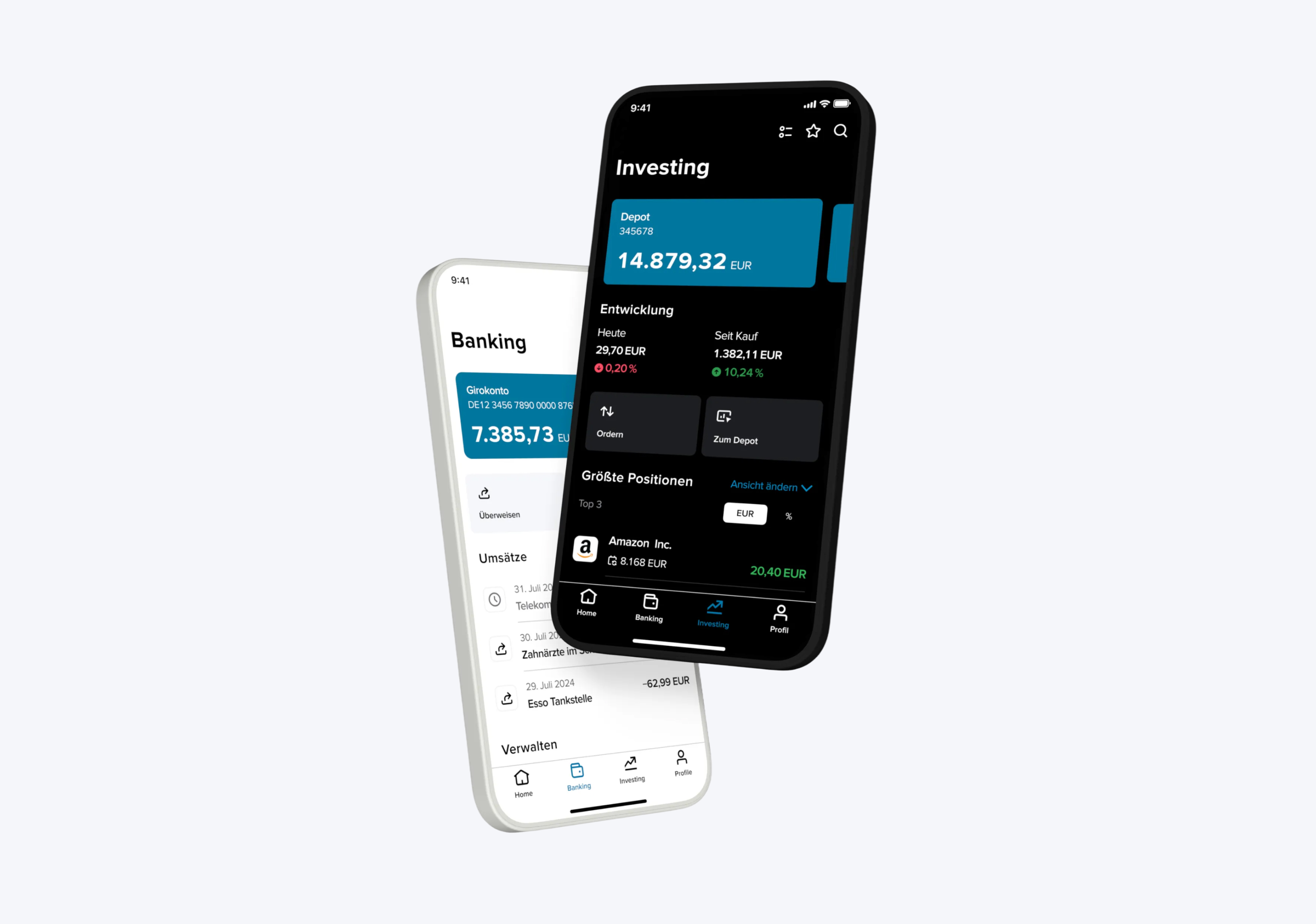
1. Simplification is often mistaken for incompleteness, especially when resources are limited. In practice, it is a prerequisite for sustainability.
2. Documentation only creates value when it reflects real workflows rather than idealized system models.
3. Accessibility at scale requires system-level ownership, not isolated fixes.
4. Long-term design system work is fundamentally about people: aligning perspectives, enabling communication, and building shared understanding across disciplines.
Due to confidentiality and regulatory requirements, this case focuses on structure, responsibilities, and working principles. Detailed internal artifacts are not shown but can be discussed upon request.